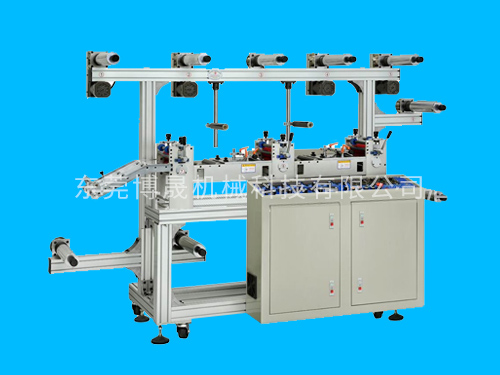
There are numerous laminating machine products available on the market, including: tape laminators, BOPP film laminators, stationery tape laminators, film laminators, backlight laminators, laser film laminators, and kraft paper laminators. Don't be fooled by the compact size of a laminating machine—selecting the right one involves considering many factors. Generally, laminating machines fall into two basic types: cold lamination and hot lamination. Which should you choose?
Hot lamination is the most widely used method. Depending on the materials being laminated, it typically requires heating to a relatively high temperature. Hot lamination provides superior bonding performance, resulting in products that are more wear-resistant and less prone to cracking. This method is suitable for materials unaffected by heat.
Cold laminating primarily relies on external pressure to bond laminating films together using pressure-sensitive adhesive. This method is best suited for heat-sensitive materials. For instance, some inkjet printer inks melt when heated, and certain printers use thermal paper. In such cases, a cold laminator is the optimal choice. Cold laminating is particularly suitable for the following scenarios: Single-sided lamination: When adhesive is only required on the document's reverse side. Magnetic lamination: Applying film to one side of the material while bonding magnetic material to the other. Double-sided text lamination with adhesive backing: Laminating both sides of text while adding adhesive backing to the reverse. This allows the backing sticker to be peeled off when needed, enabling the document to adhere to various surfaces like glass or wood.

 Mobile Site
 Add WeChat


